An HVAC system rarely loses efficiency overnight. Performance usually declines gradually as dust, wear, airflow restrictions, and minor mechanical issues build up. Delayed maintenance can increase energy use, reduce comfort, and raise the risk of costly repairs. Understanding these changes shows why timely professional care matters throughout the year.
Your heating and cooling system works hard to maintain a comfortable indoor temperature. Over time, filters collect debris, electrical connections loosen, and moving parts experience normal wear. When maintenance is postponed, these issues can force the system to run longer and use more energy. Arranging scheduled HVAC maintenance for efficiency helps identify developing problems before they affect comfort or cause avoidable damage. Regular care can protect performance, control energy costs, and extend the useful life of your HVAC equipment.
How Delayed Maintenance Reduces HVAC Efficiency
HVAC efficiency depends on unrestricted airflow, clean components, accurate controls, and smooth mechanical operation. When maintenance is delayed, several minor problems can develop at the same time and gradually reduce overall performance.
1. Dirty Filters Restrict Airflow
An air filter captures dust and airborne particles before they enter the HVAC system. As the filter becomes clogged, the blower must work harder to move air through it.
Restricted airflow can reduce heating and cooling performance. It may also cause longer cycles, uneven temperatures, and unnecessary strain on the blower motor. Checking the filter regularly is one of the simplest ways to protect system efficiency.
2. Dusty Coils Transfer Less Heat
Air conditioners and heat pumps rely on coils to transfer heat. Dirt creates an insulating layer that makes this process less effective. The system then runs longer to reach the thermostat setting.
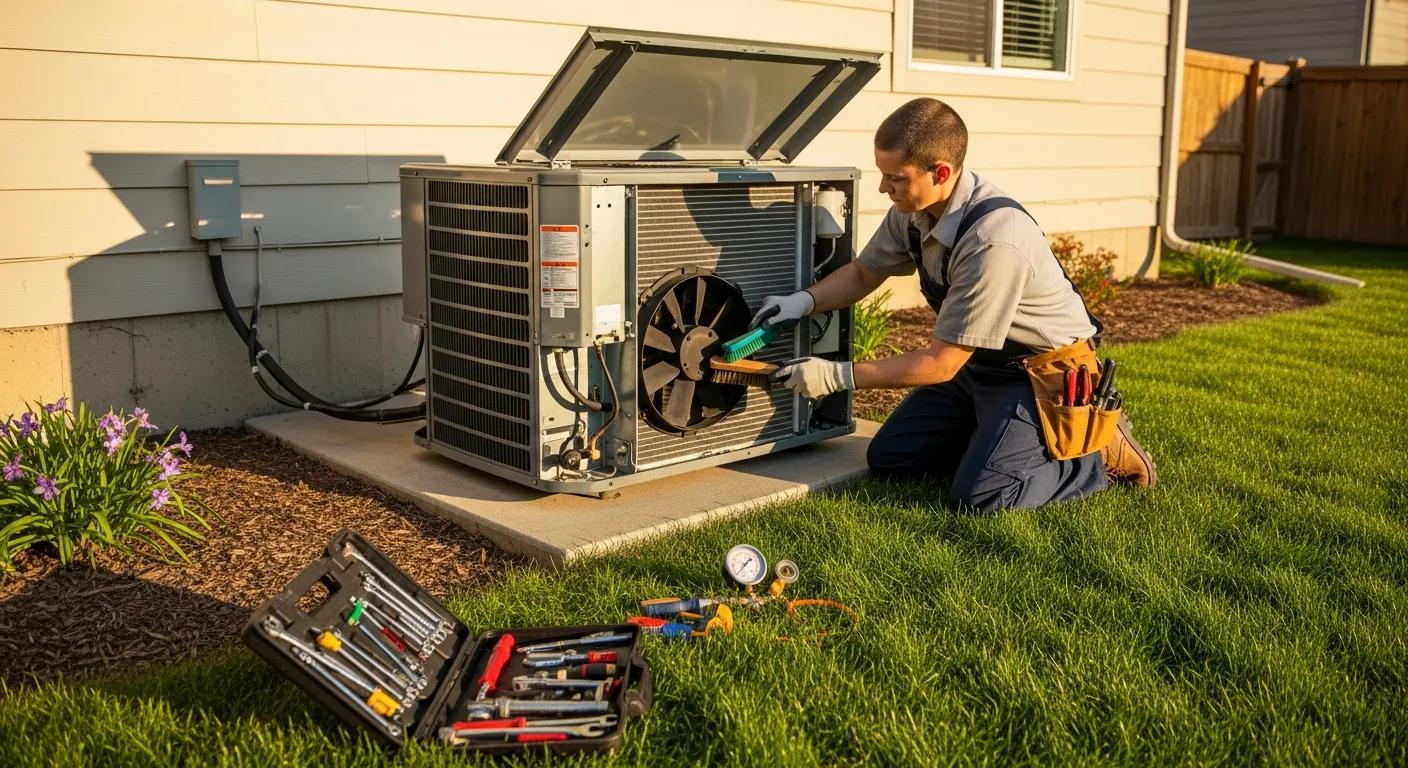
Outdoor coils can also collect leaves, grass, and debris. Homeowners may keep the surrounding area clear, but coil cleaning should be completed carefully to avoid damaging delicate components.
Why Energy Costs Begin to Rise
A neglected system may continue operating, which can hide its declining efficiency. However, longer cycles and increased mechanical effort usually result in higher energy consumption.
Small Problems Increase System Workload
Loose electrical connections, worn parts, incorrect refrigerant levels, and poor thermostat calibration can affect system operation. One issue may seem minor, but several combined problems can have a noticeable effect.
Common signs of declining efficiency include:
- Longer heating or cooling cycles
- Weak airflow from supply vents
- Rising utility bills without a clear reason
- Uneven temperatures between rooms
- Frequent starting and stopping
These symptoms should not be ignored. A professional inspection can identify whether maintenance, repair, or another correction is needed.
Friction Places More Strain on Moving Parts
Blower motors and other moving components must operate smoothly. When lubrication, cleaning, or adjustments are overlooked, friction and wear may increase.
The equipment then requires more energy to perform the same amount of work. Continued strain can also shorten component life and increase the chance of an unexpected breakdown.
How Delayed Care Affects Comfort and Reliability
Efficiency is not just about energy use. It also affects how quickly your system responds, how evenly it conditions your home, and how reliably it operates during extreme weather.
Temperature Control Becomes Less Consistent
Reduced airflow and dirty components can cause some rooms to feel warmer or colder than others, even when the thermostat shows the correct setting.
Choosing scheduled HVAC maintenance for efficiency allows technicians to check airflow, clean key components, inspect operating pressures, and verify thermostat performance, helping maintain more consistent indoor temperatures.
Minor Defects Can Become Costly Repairs
Routine maintenance helps identify worn parts and developing problems early. Without regular inspections, issues such as loose connections, blocked drains, or struggling motors can go unnoticed.
Addressing these problems early can prevent additional component damage, reduce unnecessary system strain, and support more reliable operation.
Practical Ways to Protect HVAC Performance
Homeowners can support efficiency between professional visits through simple, consistent habits. However, internal inspection and technical adjustments should always be handled by a trained HVAC professional.
Follow a Consistent Maintenance Routine
Check the filter monthly and replace it according to its condition and the manufacturer’s instructions. Keep indoor vents open and unobstructed. Remove visible debris from around outdoor equipment without opening or dismantling the unit.
Professional maintenance should include cleaning, inspection, testing, and system adjustments. Scheduling service before peak heating or cooling demand can provide time to address problems before the equipment faces its heaviest workload.
Conclusion
Delayed HVAC maintenance rarely causes efficiency to disappear overnight. Instead, performance gradually declines as filters clog, coils collect dirt, parts wear, and airflow problems develop. The system may run longer, use more energy, and struggle to maintain consistent temperatures, while minor issues can become costly repairs.
Homeowners can help by changing filters, keeping vents clear, monitoring energy use, and responding to unusual sounds or performance changes. Professional service is still essential for problems that require trained inspection. Timely care supports reliable operation, consistent comfort, and a longer system lifespan. Arranging scheduled HVAC maintenance for efficiency helps keep the system clean, properly adjusted, and ready for seasonal demands.
Apart from that, if you want to know more about How to Winterize Your HVAC System Properly then visit our Home Improvement category.