To plead the Fifth means to invoke your constitutional protection against being forced to give testimony that could incriminate you. The right is broader than courtroom scenes on television. It can matter during criminal cases, certain civil proceedings, government investigations, and police questioning.
The protection has limits. It doesn’t create a universal right to refuse every question, hide physical evidence, or ignore legal process.
| Situation | How the protection generally works |
| Criminal defendant | May choose not to testify, and prosecutors cannot ask the jury to treat that choice as evidence of guilt. |
| Witness | May refuse a particular answer when it could create a real risk of criminal liability. |
| Civil proceeding | The privilege may apply, but a civil fact-finder can sometimes draw an adverse inference from its use. |
| Police questioning | Miranda protections apply to custodial interrogation; rules can differ before custody. |
| Physical evidence | The privilege generally does not protect fingerprints, blood samples, or similar non-testimonial evidence. |
Direct answer: Pleading the Fifth means invoking the Fifth Amendment privilege against compelled self-incrimination. You may refuse testimonial answers when a truthful response could create a real risk of criminal prosecution. The protection can operate in criminal, civil, administrative, and congressional settings, but its consequences and limits depend on the setting.
What Does It Mean to Plead the Fifth?

The phrase refers to the self-incrimination clause of the Fifth Amendment. In practical terms, the government generally cannot compel a person to provide testimonial evidence that could expose the person to criminal liability.
Three ideas matter: the evidence must be compelled, testimonial, and potentially incriminating. A remote or imaginary danger is not enough. Courts look for a reasonable possibility that an answer could contribute to a criminal case.
For more plain-language coverage of legal topics, NotePare maintains a dedicated Law section.
When Can the Right Be Used?
A criminal defendant has especially strong protection. The defendant can decline to take the witness stand. A prosecutor may not tell jurors that the defendant’s silence proves guilt.
A witness is different. A witness may have to appear and may answer harmless questions while invoking the privilege against specific questions that create criminal exposure. The protection can arise in a criminal trial, a civil case, a grand jury matter, or a congressional investigation.
Police questioning adds another layer. Miranda warnings protect a suspect during custodial interrogation. Police do not generally have to give the warnings before every voluntary, noncustodial conversation.
That distinction matters because silence alone may not always communicate an invocation outside custodial questioning. In Salinas v. Texas, the Supreme Court addressed a situation involving silence during voluntary police questioning before arrest.
What the Privilege Does Not Protect
The right focuses on testimonial self-incrimination, not every form of evidence the government may obtain.
Courts have distinguished spoken or written testimony from physical characteristics. Fingerprints, handwriting exemplars, and certain blood evidence generally fall outside the privilege because they are treated as non-testimonial.
Documents involve a finer distinction. A document’s existing contents do not automatically become privileged because they are incriminating. Yet producing documents can sometimes communicate facts, such as acknowledging their existence or possession. That “act of production” can raise separate Fifth Amendment issues.
The privilege also belongs to natural persons. Corporations and other collective entities generally cannot claim it in the same way an individual can.
Criminal and Civil Cases Can Produce Different Results
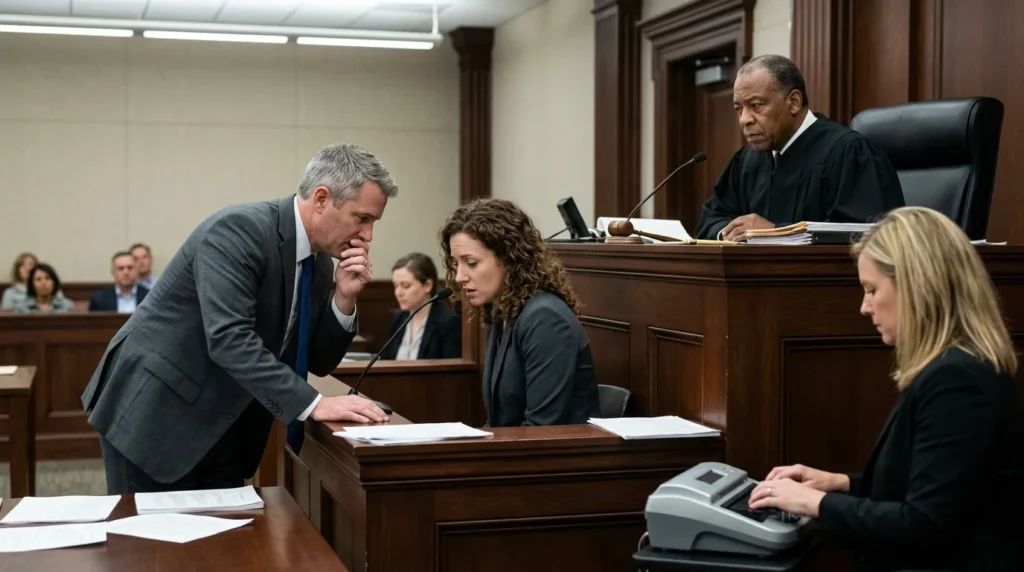
In a criminal case, a defendant’s choice not to testify cannot be presented to the jury as proof of guilt. That protection comes from the Supreme Court’s decision in Griffin v. California.
Civil cases can work differently. The Supreme Court has allowed an adverse inference in some civil proceedings when a party invokes the privilege. That means staying silent may protect against self-incrimination while still carrying consequences in the civil dispute.
This difference is easy to miss. Legal procedures often use different rules even when they involve the same person or events. NotePare’s explainer on bankruptcy, its chapters, costs, and court process offers another example of why the type of legal proceeding matters.
Can Immunity Require Someone to Answer?
Yes, in some circumstances. A valid grant of use and derivative-use immunity can remove the risk that compelled testimony will be used against the witness in a later criminal prosecution.
Once adequate immunity removes the risk of criminal exposure, a witness may be compelled to testify. Under Kastigar v. United States, prosecutors who later rely on related evidence must show that it came from sources independent of the compelled testimony.
How Should the Right Be Invoked?
The safest approach depends on the setting. A criminal defendant deciding whether to testify faces different rules from a witness answering a subpoena or a person speaking with police.
A witness typically invokes the privilege in response to questions that create a genuine risk of self-incrimination. Voluntarily revealing incriminating information can also affect the scope of the protection and later cross-examination.
During a police encounter, don’t assume silence communicates every legal right in every setting. If criminal exposure is possible, clearly stating that you are invoking your right to remain silent and requesting a lawyer can avoid ambiguity. The exact legal effect depends on the circumstances.
Does Invoking the Right Mean Someone Is Guilty?
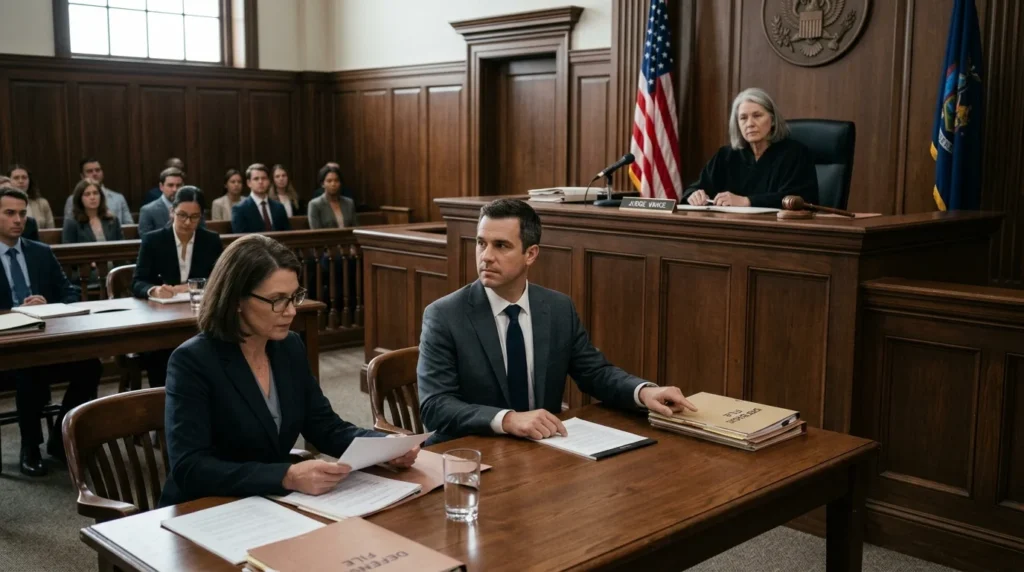
No. The privilege exists to prevent compelled self-incrimination, not to identify guilty people. The Supreme Court has recognized that an innocent witness can have a valid basis for invoking the privilege.
A truthful answer can create risk if it supplies evidence that investigators could use as part of a criminal inquiry. That is also why a criminal jury cannot be instructed to treat a defendant’s refusal to testify as evidence of guilt.
What to Do If This Is a Real Legal Situation
The rules can change with the setting, the question being asked, and the risk of criminal exposure. If police, prosecutors, a court, or another government body wants potentially incriminating information from you, speak with a licensed attorney about your specific circumstances before giving substantive answers.
This article explains general U.S. legal principles and is not individualized legal advice. Readers looking for more general explainers can also browse NotePare’s Education section for related informational content.
Frequently Asked Questions
Yes. Innocence does not automatically eliminate the privilege. The key question is whether an answer creates a reasonable risk of criminal self-incrimination. The Supreme Court confirmed this principle in Ohio v. Reiner.
Yes, when an answer could create criminal exposure. But civil courts may sometimes permit an adverse inference from the defendant’s silence, unlike in a criminal prosecution.
Not under the self-incrimination privilege merely because the evidence may be damaging. Courts generally classify fingerprints, blood samples, and similar physical evidence as non-testimonial. Other constitutional protections may still apply.
Adequate immunity can remove the criminal risk that supports the privilege. A court may then require testimony, subject to the limits established by immunity law.
No. Miranda warnings are tied to custodial interrogation. Police may ask questions in situations that do not meet that standard, so the absence of a warning does not automatically make every conversation unlawful.