Upgrading to an energy-efficient hot water system is a smart investment that reduces utility costs and enhances home comfort. Traditional water heaters often consume excess energy, leading to higher bills and increased environmental impact. By switching to a modern, efficient model, homeowners can enjoy reliable hot water while lowering energy consumption. Choosing the right system ensures long-term savings and sustainability.
Selecting the Best Energy-Efficient Hot Water System
Homeowners have a variety of energy-efficient hot water system options to choose from. Tankless water heaters heat water instantly and only when needed, which eliminates standby energy loss. Heat pump water heaters use electricity to transfer heat from the air to the water, making them a more efficient option. Solar-powered systems use renewable energy and lessen the reliance on traditional power sources. Understanding the benefits of each system will help homeowners select the best option for their home and budget.
Reducing Energy Costs with Modern Technology
Advanced hot water systems leverage technology to optimize efficiency and minimize waste. They utilize features like programmable thermostats, superior insulation, and smart controls to manage water temperature and decrease energy consumption. Additionally, some models include leak detection and automatic shut-off capabilities to prevent expensive damage and conserve resources. Upgrading to such a system ensures a consistent supply of hot water while reducing unnecessary energy use.
Enhancing Home Efficiency with Professional Installation
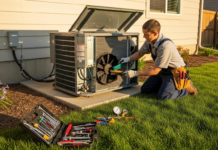
Proper installation plays a crucial role in the efficiency of a hot water system. An incorrectly installed unit may not function optimally, leading to increased energy consumption and frequent maintenance issues. Consulting experienced professionals ensures the system is set up correctly and operates at peak performance. Companies like Tyler’s Plumbing Heating & Cooling offer expert guidance on selecting and installing the most suitable energy-efficient hot water systems.
Maintaining an Energy-Efficient Hot Water System
Regular maintenance is essential for keeping a hot water system running efficiently. Flushing the system periodically removes sediment buildup that can reduce efficiency. Checking for leaks, inspecting insulation, and adjusting temperature settings help prevent unnecessary energy loss. Simple maintenance routines extend the lifespan of the system while preserving its energy-saving benefits. Regular maintenance is essential for keeping a hot water system running efficiently and preventing unnecessary energy loss.
By following a simple maintenance routine, homeowners can extend the lifespan of their hot water system, ensure its optimal performance, and maximize its energy-saving benefits. This can result in significant cost savings on energy bills and reduced environmental impact. Moreover, a well-maintained system is less likely to experience unexpected breakdowns, which can cause inconvenience and disruption to daily life.
Making a Cost-Effective and Sustainable Choice
Replacing an outdated water heater with an energy-efficient model is a practical way to reduce expenses and contribute to environmental sustainability. Lower utility bills, improved performance, and a reduced carbon footprint make it a worthwhile investment. By selecting the right system, ensuring professional installation, and maintaining it properly, homeowners can enjoy the benefits of an efficient and cost-saving hot water solution for years to come.
Switching to an energy-efficient hot water system is a smart investment that reduces utility bills and minimizes environmental impact. By choosing the right system and ensuring proper installation, homeowners can enjoy long-term savings and reliable hot water. Many trusted companies offer expert guidance to help you make the best choice for your home’s needs. Prioritizing energy efficiency today leads to greater comfort and cost savings in the future.