Spoiler warning: This guide discusses major events from God of War (2018) and their consequences in God of War Ragnarök.
Baldur is the main antagonist pursuing Kratos and Atreus through much of God of War (2018). He is Odin and Freya’s son, protected by a spell that makes him invulnerable. Yet that protection also removes his physical sensations and fuels his hatred toward his mother.
The Baldur God of War storyline turns that magical protection into a personal tragedy. His inability to feel explains his reckless behavior and obsession with breaking Freya’s spell. It also makes his conflict with Kratos more complicated than a standard hero-versus-villain battle.
Baldur at a Glance
| Fact | Details |
| Character | Baldur |
| Pantheon | Norse / Aesir |
| Parents | Odin and Freya |
| Main game | God of War (2018) |
| Role | Major antagonist |
| Special protection | Invulnerability against physical and magical threats |
| Cost of protection | Loss of physical sensation |
| Key weakness | Mistletoe |
| Main enemies | Kratos and Atreus |
| Voice and performance | Jeremy Davies |
| Fate | Killed by Kratos |
| Ragnarök importance | His death has major consequences for Freya and the Norse story |
Direct answer: Baldur is an Aesir god and a central antagonist in God of War (2018). Freya magically protects him from physical and magical harm, but the spell leaves him unable to feel. Mistletoe eventually breaks that protection, making him vulnerable and setting up his final confrontation with Kratos.
Who Is Baldur God of War?
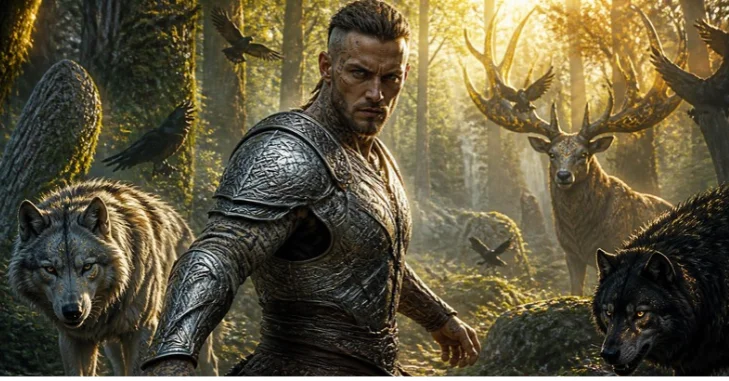
Baldur God of War is one of the most memorable antagonists in the God of War series, known for his incredible strength, speed, and inability to feel pain. His role adds significant tension to Kratos and Atreus’s journey throughout the game.
The story later reveals that he is an Aesir god connected directly to Odin. More importantly, he is Freya’s son and carries decades of anger toward her. That family relationship becomes essential to understanding his actions.
Odin sends him searching for a Giant, placing him on the path of Kratos and Atreus. Baldur initially misunderstands who he has found, helping trigger their violent first encounter. His pursuit then continues across several realms during the journey.
Baldur’s storyline is one of the reasons the game franchise remains a fixture in pop culture; Notepare covers it and other major series in its Entertainment section.
Why Is Baldur Invulnerable?
Freya learns that her son is fated to die and desperately tries to prevent that outcome. She uses Vanir magic to protect him from physical and magical threats. Her decision succeeds in preventing ordinary harm but produces a devastating side effect.
He loses his ability to experience physical sensations. Pain disappears, but so do pleasure, warmth, cold, touch, and other feelings. What Freya views as protection becomes a prison for the person receiving it.
That distinction explains much of his personality during the game. He doesn’t simply want greater power because he already possesses extraordinary protection. Instead, he desperately wants to experience physical life again.
Why Does He Hate Freya?
Freya’s intentions come from fear and maternal love, but her son experiences the spell differently. He repeatedly asks her to remove the protection, yet she refuses. She fears that removing it will allow the prophecy surrounding his death to come true.
Years without sensation transform that disagreement into deep resentment. He sees his mother’s decision as the theft of his freedom and normal existence. Freya sees the same choice as necessary to keep her child alive.
This conflict gives the story one of its strongest parent-child parallels. Kratos struggles to protect Atreus without repeating his own destructive past. Freya protects her child so completely that her protection damages their relationship.
Baldur’s Powers and Abilities
His magical protection is only one reason he presents such a serious threat. He displays immense strength, speed, endurance, and hand-to-hand fighting ability throughout the game. His battles with Kratos show that he can survive extraordinary punishment and return to the fight.
His greatest advantage is his inability to suffer lasting physical harm while the spell remains active. Kratos even snaps his neck during their first major battle. The injury incapacitates him temporarily rather than ending his pursuit.
He also becomes more dangerous because pain doesn’t discourage his attacks. Ordinary fighters instinctively protect injured bodies and avoid potentially fatal damage. He can attack with little concern for those limitations while protected.
| Ability | Effect |
| Superhuman strength | Lets him fight Kratos directly |
| High speed | Supports rapid attacks and movement |
| Magical invulnerability | Prevents normal physical and magical harm |
| Extreme endurance | Allows prolonged battles |
| No pain response | Removes a normal physical deterrent |
| Elemental combat | Adds changing attack patterns during later fights |
What Is Baldur’s Weakness?
The answer is mistletoe. Freya’s protection cannot fully account for it, making the plant the critical weakness in her spell. She understands the danger and reacts strongly when she discovers Atreus carrying mistletoe arrows.
Freya destroys those arrows, but one small piece survives. Kratos previously used an arrowhead to repair the strap on Atreus’ quiver. That seemingly minor detail later becomes one of the story’s most important setups.
During the final confrontation, Baldur strikes Atreus and cuts his hand on that mistletoe piece. The contact breaks Freya’s protection and makes him physically vulnerable again. For the first time in years, he can also experience physical sensations.
Why Does Baldur Fight Kratos?
Their first battle begins because Odin’s mission brings the Aesir god to Kratos’ home. Kratos wants to protect his family and keep his past hidden. Neither man has much reason to trust the other, so their encounter quickly becomes violent.
The fight also establishes how different this new opponent is from ordinary enemies. Kratos hits him repeatedly and even breaks his neck, yet the stranger survives. That outcome makes clear that brute force alone won’t permanently stop him.
Their conflict grows increasingly personal as the journey continues. Baldur becomes determined to defeat the man who resisted him. Kratos increasingly recognizes that the conflict also threatens Atreus.
Why Does Mistletoe Matter So Much?
Mistletoe connects God of War to the older Norse story of Baldr while changing important details. In the traditional myth, mistletoe becomes the means through which the otherwise protected god is killed. The game preserves that famous vulnerability but adapts the circumstances around it.
The game makes the weakness part of Freya’s magical protection rather than simply repeating the myth. It also gives the plant a direct connection to Atreus and the game’s family story. That change lets the developers use familiar mythology without reproducing it scene for scene.
The arrowhead also works as careful narrative setup. Players see Freya react strongly to mistletoe well before they understand why. Its return during the final battle turns an earlier detail into the solution to the protection spell.
How Does Baldur Die?
Once mistletoe breaks the spell, the final fight changes completely. The newly vulnerable god can experience pain, temperature, and other physical sensations again. The return of feeling initially brings him intense excitement rather than fear.
Kratos and Atreus eventually defeat him but don’t immediately execute him. Kratos gives him an opportunity to leave, provided he stops pursuing Freya. Baldur instead returns to his mother and tries to kill her.
Freya refuses to defend herself because she remains willing to sacrifice herself for her son. Kratos intervenes and kills him by breaking his neck. He acts to stop another child from killing a parent and continuing the cycle of violence.
Why His Death Matters in God of War Ragnarök
The consequences continue after the 2018 game’s ending. Freya is devastated by her son’s death and initially holds Kratos responsible. Her grief and desire for revenge become important parts of her story in God of War Ragnarök.
The sequel doesn’t treat the death as a forgotten boss victory. Instead, it examines how Freya deals with loss and her own earlier decisions. Kratos must also live with the consequences of choosing to intervene.
That continuation gives the earlier conflict more narrative weight. The death changes relationships rather than simply removing an enemy from the story. It also reinforces the series’ focus on parents, children, grief, and cycles of violence.
God of War’s Baldur vs. Norse Mythology
Santa Monica Studio takes recognizable elements from Norse mythology but rearranges them for its own story. Traditional Baldr is protected after his mother seeks promises that nothing will harm him. Mistletoe remains outside that protection and eventually causes his death.
The game changes the emotional cost of his protection. Its version cannot experience physical sensations because of Freya’s spell. That condition gives him a personal reason to resent the person who saved his life.
| Element | God of War version | Norse myth |
| Mother | Freya | Frigg in common surviving accounts |
| Protection | Magical invulnerability | Oaths against harming Baldr |
| Key weakness | Mistletoe | Mistletoe |
| Main emotional conflict | Resentment toward his mother | Not presented the same way |
| Cause of death | Kratos kills him after the spell breaks | Höðr kills him using mistletoe through Loki’s scheme |
The adaptation therefore uses mythology as a foundation rather than a strict script. Players familiar with Baldr’s myth can recognize the clues surrounding mistletoe. New players can understand the story without knowing the original legend.
Why the Character Works So Well
The strongest element of this antagonist is the contradiction at the center of his life. He possesses something countless warriors would want: protection from injury and death. Yet the same gift prevents him from experiencing ordinary physical existence.
His conflict with Freya also mirrors the broader themes surrounding Kratos and Atreus. Both stories ask what parents may do to protect their children. They also examine what happens when protection becomes control.
The developers emphasized the emotional pain when discussing the final encounter. Narrative director Matt Sophos highlighted the anguish underneath the character’s actions. The performance makes his anger understandable without excusing the violence he commits.
The Lasting Importance of Baldur
Few characters illustrate the Norse saga’s central family conflict as clearly as Freya’s son. His mother tries to defeat fate through absolute protection, but that choice creates years of suffering. Kratos then enters the conflict while trying to avoid repeating destructive family cycles himself.
That makes the Baldur God of War story more than a series of spectacular boss fights. His invulnerability, mistletoe weakness, and death all connect directly to the game’s themes. Understanding those connections makes both the 2018 story and Freya’s later journey easier to appreciate.
For more character stories, television coverage, and pop-culture explainers, browse Notepare’s profile of actor Eric Lloyd and its broader featured content archive.
Frequently Asked Questions
Who is Baldur’s mother?
Freya is his mother in the game’s Norse storyline. Her attempt to prevent his foretold death creates the protection spell that defines their relationship. Her refusal to remove it eventually leaves her son deeply resentful.
Why can’t Baldur feel pain?
Freya’s magic protects him from physical and magical threats but also removes his physical sensations. He cannot feel pain, but the effect isn’t limited to suffering. He also loses pleasurable and ordinary sensations, making immortality-like protection unbearable.
What breaks Baldur’s curse?
Mistletoe breaks the protection Freya placed upon him. A surviving mistletoe arrowhead attached to Atreus’ quiver eventually pierces his hand. The contact removes his invulnerability and restores his ability to feel.
Is Baldur stronger than Kratos?
The game shows him as powerful enough to challenge Kratos through several intense encounters. His magical protection gives him an enormous advantage because ordinary damage cannot permanently stop him. Their fights don’t provide a neutral numerical measurement of their physical strength.
Who kills Baldur?
Kratos kills him near the end of the 2018 game. He first allows his defeated opponent to leave if Freya remains unharmed. Kratos intervenes only after the defeated god attempts to kill his mother.
Is Baldur in God of War Ragnarök?
He is already dead when the main events of Ragnarök occur. His death still affects Freya, Kratos, and their relationship throughout the sequel. References and visions also keep his history relevant to the continuing story.